

Should You Consider House Leveling Before Selling Your Home?
Selling a home involves more than making the property look attractive to prospective buyers. Structural conditions can have a significant influence on buyer confidence, inspection results, negotiations, and the final sale price. If your home has uneven floors, sticking doors, cracked walls, or other potential signs of foundation movement, house leveling may deserve consideration before you put the property on the market.
Assessing Your Home Before Listing
Look for Signs of Foundation Movement
Foundation problems are not always immediately obvious, particularly when they develop gradually. Homeowners preparing to sell should pay attention to sloping or uneven floors, cracks around windows and doors, gaps between walls and ceilings, and doors that suddenly become difficult to open or close. These symptoms can indicate that portions of the foundation have shifted or settled. Although individual cosmetic issues do not necessarily mean that leveling is required, multiple warning signs warrant a professional evaluation. Identifying the underlying problem before listing gives you an opportunity to address it rather than allowing a prospective buyer or inspector to discover it first.
Consider How Foundation Problems Affect Buyers
A buyer may be hesitant to purchase a home when there are visible signs of structural movement. Even if the property has desirable features, concerns about potential foundation repairs can make buyers question how much additional money they may need to spend after closing. Those concerns can also affect negotiations. Similar to how homeowners might research dumpster rentals before beginning a major property cleanup, prospective buyers often investigate potential costs associated with maintaining a property. Addressing a foundation issue in advance can make the home's condition easier to explain and may provide buyers with greater clarity about what they are purchasing.
Schedule a Professional Foundation Evaluation
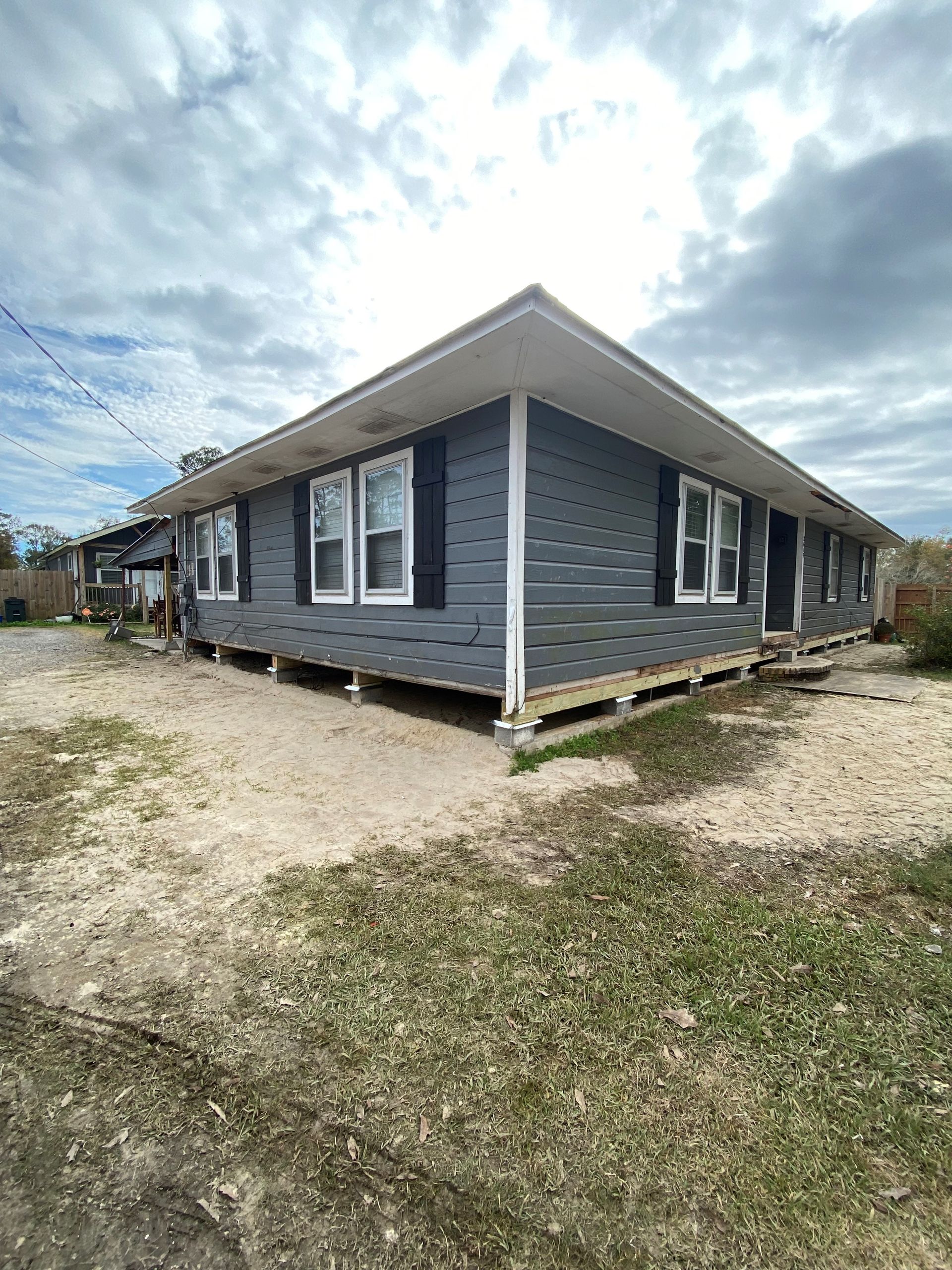
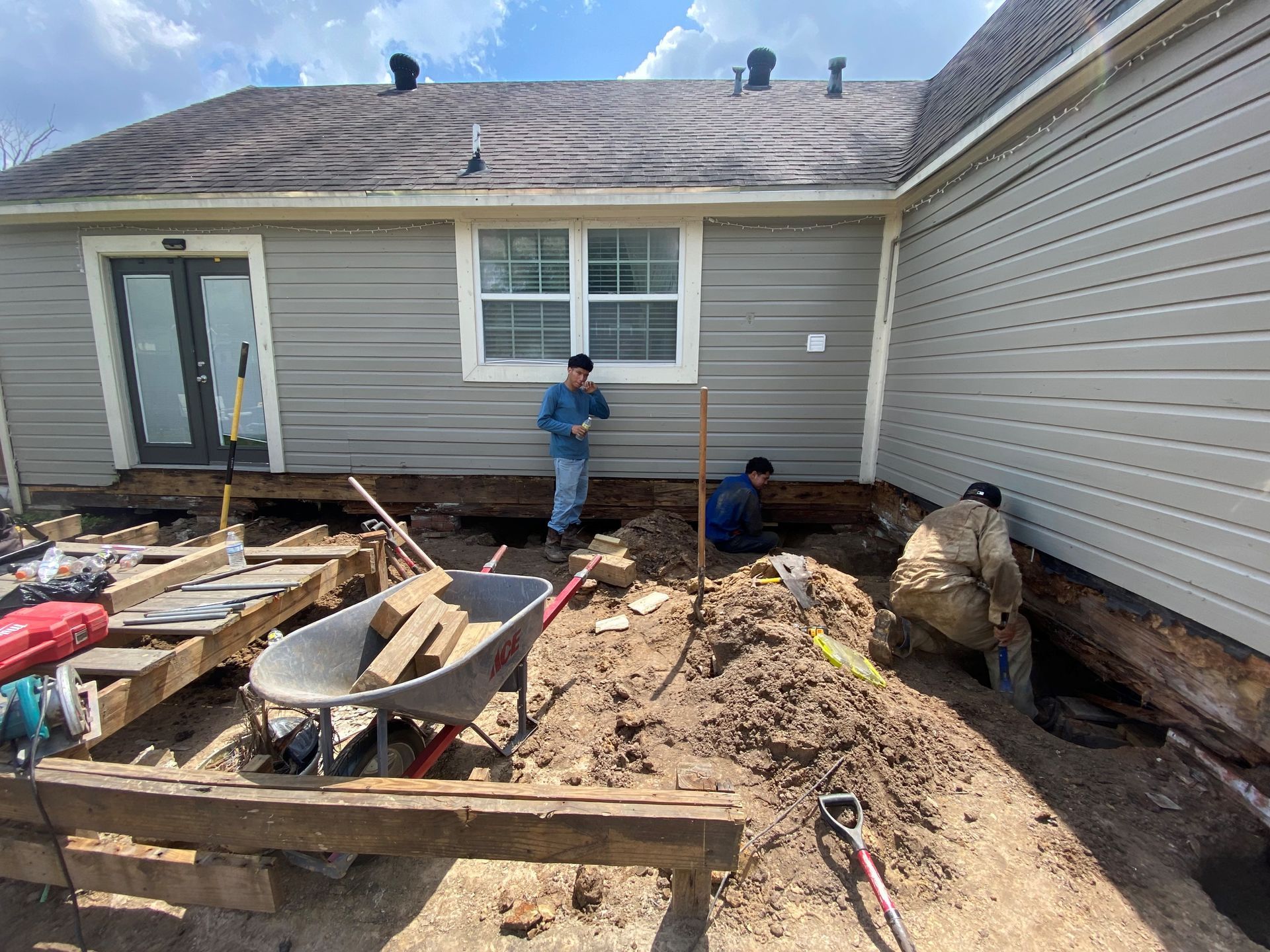
Before deciding whether house leveling is worthwhile, have qualified professionals assess the foundation and surrounding structural components. A proper evaluation can help determine whether settlement is occurring, how extensive the movement may be, and which repair approach is appropriate. Depending on the property's construction, solutions may involve pier and beam adjustments, slab lifting and stabilization, subfloor work, foundation repairs, or repairs to damaged sills and joists. Professional evaluation is especially important because correcting a symptom without addressing the underlying foundation problem may not provide a lasting solution.
Understanding the Potential Benefits of Leveling
Protect the Structural Condition of the Property
House leveling is intended to restore a foundation toward a more stable and properly supported position. Correcting settlement can help reduce the stress that uneven movement places on floors, walls, doors, windows, and other parts of the structure. This can be particularly valuable when preparing a home for sale because unresolved foundation movement may continue to contribute to additional damage. Addressing the problem can also make other repairs and cosmetic improvements more effective. There is little benefit to investing heavily in finishes if an underlying structural issue could continue affecting them.
Potentially Improve the Home's Market Position
Correcting a foundation problem before selling can potentially make the property more appealing to buyers who want to avoid taking on major structural work themselves. According to HomeGuide, professional house leveling may increase a home's resale value by as much as 25%. The actual impact varies based on the property's condition, location, market conditions, and quality of the completed repairs, so homeowners should not assume that leveling will automatically produce a specific return. Nevertheless, resolving a significant foundation concern can strengthen the overall condition of the property and potentially improve its position during negotiations.
Make Other Repairs More Meaningful
Homeowners frequently complete several projects before listing, such as painting, landscaping, cleaning, and repairing damaged finishes. Some sellers may even arrange dumpster rentals to remove unwanted materials and clear out debris before showings. However, cosmetic improvements should not distract from structural concerns. If foundation movement has contributed to cracks, uneven floors, sticking doors, or damaged interior surfaces, correcting the underlying issue first can make subsequent repairs more worthwhile. Once the foundation has been properly addressed, homeowners can focus on improving the property's appearance without overlooking a problem that could affect the rest of the structure.
Preparing for a Smoother Home Sale
Complete Repairs Before the Inspection
A home inspection can reveal conditions that sellers may not have noticed or may have become accustomed to over time. Completing appropriate foundation work before the inspection can reduce the likelihood that buyers encounter an unresolved structural concern during the transaction. Homeowners should maintain documentation related to the evaluation and repairs, including information about the work performed and any relevant warranties or supporting records. Clear documentation can help demonstrate that the issue was professionally addressed rather than simply concealed with cosmetic repairs. This preparation may also make it easier to answer questions during negotiations.
Factor Repair Costs Into Your Selling Strategy
House leveling is an investment, so homeowners should weigh the anticipated cost against the property's current condition and likely selling prospects. If foundation problems are minor, professional recommendations may involve monitoring or a more limited repair rather than comprehensive leveling. More significant settlement may justify corrective work before listing, particularly if the issue is likely to appear during an inspection. Sellers should also consider other expenses associated with preparing a property, from interior repairs to landscaping and cleanup. When organizing materials from these projects, dumpster rentals can provide a convenient way to manage discarded construction debris and unwanted household items.
Present the Property With Confidence
Once necessary structural repairs have been completed, sellers can focus on presenting the home in its best condition. A properly leveled property may have improved floor alignment, better-functioning doors and windows, and fewer visible symptoms associated with foundation movement. These improvements can complement other pre-sale preparations, including cleaning, painting, decluttering, and exterior maintenance. If significant amounts of unwanted material remain after repairs or renovations, dumpster rentals can also help keep the property organized while it is being prepared for showings. The goal is to give potential buyers a clear picture of a well-maintained home rather than one with unresolved structural questions.
When selling a property, the decision to complete house leveling should ultimately be based on the home's specific foundation condition and the recommendations of qualified professionals. A foundation evaluation can clarify whether movement is active, what repairs may be necessary, and whether completing those repairs before listing makes financial sense. Homeowners should also consider the potential effect of unresolved problems on inspections and negotiations rather than focusing exclusively on the upfront cost of repairs.
If leveling is recommended, completing the work before putting the home on the market can provide an opportunity to address structural concerns on your own timeline. It may also allow you to complete related repairs and cleanup in a more organized manner. Homeowners managing extensive renovation debris may use dumpster rentals as part of the preparation process, keeping discarded materials contained and the property ready for prospective buyers.
Ultimately, selling a home is easier when major concerns are identified and addressed before they become surprises during the transaction. House leveling may help protect the property's structural condition, improve functionality, and potentially strengthen its marketability. If you are considering selling and have noticed signs of foundation movement, schedule a professional evaluation before deciding whether leveling should be part of your pre-sale strategy.
To secure dependable leveling services for your home, contact Estrada's House Leveling, and we can evaluate your foundation and help determine the right next step for your property.


Share On: